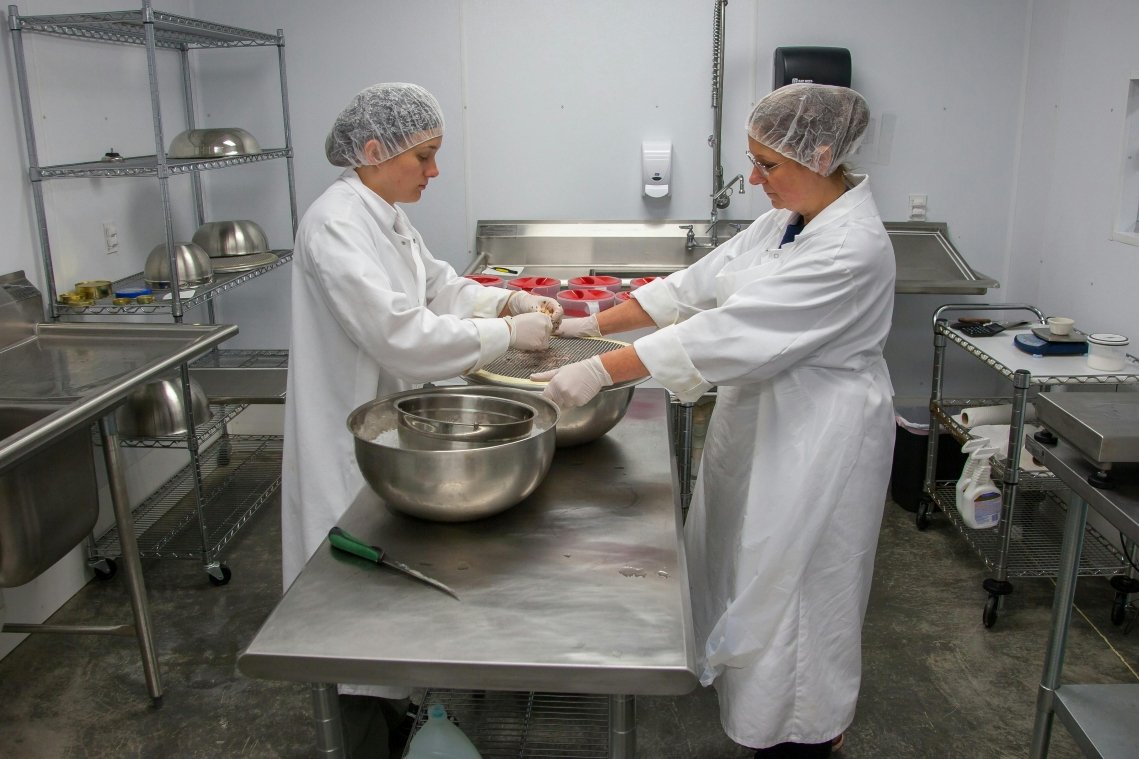
How Do You Manage HACCP During Staff Shortages or Shift Changes?
Inconsistent staffing is a real-world challenge — especially for food businesses trying to maintain strict HACCP controls. Whether it’s due to sick leave, high turnover, or frequent shift changes, food safety risks don’t take a break just because your best HACCP-trained employee isn’t on duty.
So how do you keep your HACCP system running smoothly during these disruptions?

🔍 Key Risks to HACCP During Staff Shortages or Shift Transitions
-
⚠️ Missed monitoring at Critical Control Points (CCPs)
-
🕒 Incomplete or delayed verification records
-
🧪 Unqualified staff making decisions on corrective actions
-
📋 SOPs skipped due to time pressure or lack of awareness
-
❌ Handovers that fail to mention issues from the previous shift
-
📉 Increased risk of non-conformity during audits or inspections
-
🧠 Knowledge gaps in substitute or temporary staff
✅ HACCP Management Tips During Staff Shortages
-
👥 Cross-train employees so more than one person can manage CCP tasks
-
📚 Maintain a training matrix with certification status and expiry dates
-
🧾 Keep simple, visual work instructions posted at CCP stations
-
🧭 Use color-coded or checklist-based monitoring forms for clarity
-
⏰ Set automated reminders or alarms for CCP monitoring schedules
-
📸 Utilize photographic SOPs for quick on-the-job reference
-
📊 Monitor trends in absenteeism to plan for contingency
-
🧑🏫 Pair new hires with experienced mentors during transition weeks
🔁 Shift Change Best Practices to Maintain HACCP Integrity
-
📝 Use a standardized HACCP shift handover log
-
📢 Implement verbal briefings between outgoing and incoming shift leads
-
⏱️ Allow overlap time for smoother information transfer
-
🧾 Review monitoring forms together during handover
-
🛑 Immediately flag any deviations or pending corrective actions
-
🧼 Check that cleaning and sanitation steps were completed before start-up
-
🧪 Confirm that calibrations and verifications are still valid
💡 Additional Tools That Can Help
-
✅ HACCP mobile apps for monitoring & alerts
-
🧑💼 Digital logs with version control & time stamps
-
📦 Barcode or RFID-based ingredient tracking
-
🔄 Automated equipment to reduce manual CCP checks
-
📋 Central dashboard for shift supervisors to check compliance status in real time
🚨 What Happens When You Don’t Address This?
-
❌ Critical data may be lost or undocumented
-
🧪 Contamination events can go unnoticed during weak transitions
-
📉 Internal audits reveal gaps, leading to corrective actions or non-conformance
-
🔍 Certification bodies may flag lack of control over operational consistency
-
💸 Rework, recalls, or even loss of contracts with major buyers

🧭 Final Thoughts
Shift changes and staffing issues are part of the food manufacturing reality, but your HACCP plan needs to be resilient, not reliant on a single person. Consistent documentation, clear delegation, and smart use of tools can help you maintain compliance — no matter who’s on the floor.
🧠 Need Help Strengthening Your HACCP System?
At CAYS Scientific, we help food businesses build robust, audit-proof HACCP systems — even in high-turnover environments.
📞 Contact us today to book a HACCP Resilience Audit or staff retraining program.