Why Is Digital HACCP the Next Big Step for Smart Food Factories?
As the food industry enters the era of Industry 4.0, more manufacturers are moving toward smart, data-driven operations.
While HACCP remains the backbone of food safety management, digital transformation is redefining how HACCP systems are implemented, monitored, and improved.
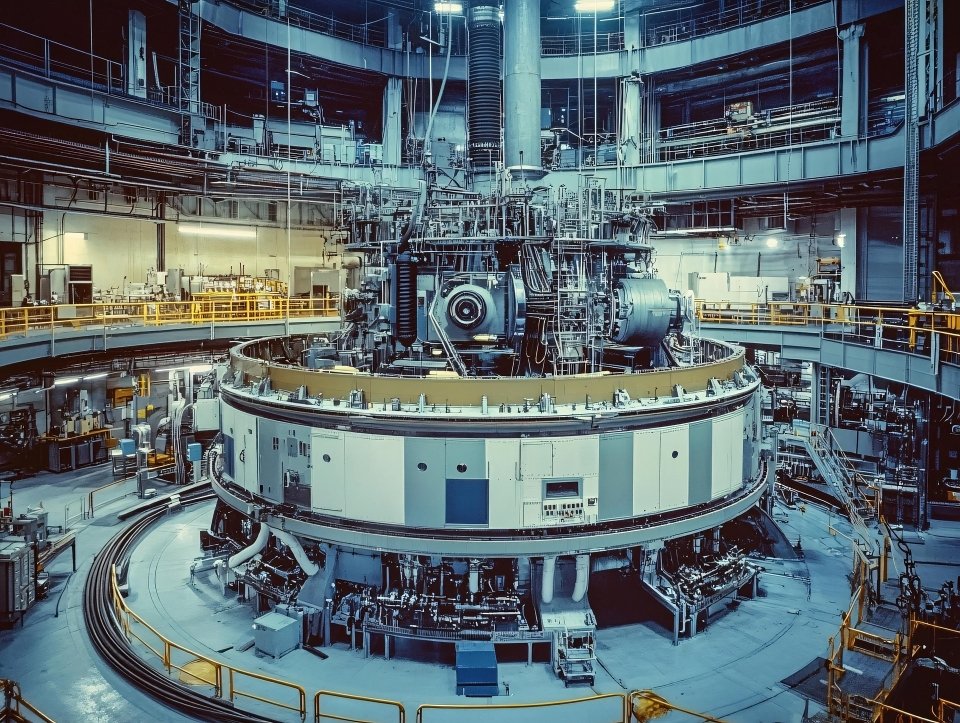
Let’s explore why Digital HACCP is becoming a crucial step for modern food factories aiming for higher safety, efficiency, and sustainability.
1️⃣ What Is Digital HACCP?
-
Traditional HACCP: Manual paperwork, physical logbooks, and human-based monitoring.
-
Digital HACCP: The same food safety principles — but powered by real-time data, sensors, and cloud-based systems.
-
It automates recordkeeping, monitoring, and verification — turning food safety into a smart and traceable process.
👉 In short: Digital HACCP = HACCP + Technology + Real-Time Control.
2️⃣ Why Manual HACCP Is Becoming Outdated
Many factories still rely on pen-and-paper HACCP logs, which can cause:
-
Time-consuming manual data entry
-
Higher risk of human error or missed records
-
Delays in detecting non-conformities
-
Difficulties in traceability during audits
-
Lost documents or incomplete corrective actions
Result: Slower response, higher compliance risk, and reduced operational transparency.
3️⃣ Benefits of Moving Toward Digital HACCP
🌐 Real-Time Monitoring
-
Sensors and IoT devices capture temperature, humidity, and critical control point (CCP) data continuously.
-
Alerts are triggered instantly when values exceed limits.
-
Enables immediate corrective actions before contamination occurs.
🕒 Time & Labour Savings
-
Automated data collection eliminates manual logging.
-
Reduces administrative work and human error.
-
Staff can focus more on preventive measures rather than paperwork.
📈 Better Data Accuracy & Traceability
-
All records are stored in secure digital databases.
-
Instant access to history during audits or customer inspections.
-
Easy integration with ERP or quality management systems.
🔒 Enhanced Compliance
-
Digital records meet ISO 22000, HACCP, and FSSC 22000 documentation requirements.
-
System-generated audit trails support full transparency.
-
Easier alignment with regulatory and export standards.
4️⃣ How Digital HACCP Supports Smart Factory Transformation
Digital HACCP is a key component of the Smart Factory ecosystem, connecting food safety with production intelligence.
-
Integration with IoT: Real-time machine and sensor data feed into HACCP control systems.
-
Automation: CCP monitoring and corrective action alerts are handled digitally.
-
Analytics: Data trends reveal recurring issues and opportunities for improvement.
-
Sustainability: Reduced paper use and better energy efficiency from data-driven optimization.
-
Predictive Maintenance: Systems can forecast when issues are likely to occur, preventing downtime.
👉 Food safety becomes proactive, not reactive.
5️⃣ Steps to Digitalize Your HACCP System
-
Assess your current HACCP workflow — identify paper-based areas.
-
Choose a reliable digital HACCP platform (cloud-based or on-premise).
-
Integrate IoT devices (temperature probes, data loggers, smart meters).
-
Digitize documentation — forms, checklists, and verification records.
-
Train your HACCP team on system usage and digital verification.
-
Link with other management systems like ISO 22000 or ERP.
-
Review and improve using real-time performance data.
6️⃣ Business Advantages for Food Manufacturers
-
✅ Reduced non-compliance risk
-
✅ Faster audit readiness and easier certification maintenance
-
✅ Improved food safety culture and accountability
-
✅ Higher product consistency and customer confidence
-
✅ Cost savings from reduced rework, waste, and paper management
-
✅ Strengthened brand reputation in digital and export markets
7️⃣ The Future: Digital HACCP + Artificial Intelligence (AI)
The next wave of smart food factories will combine Digital HACCP with AI analytics.
-
AI can predict hazard trends and optimize preventive controls.
-
Machine learning algorithms can detect abnormal process patterns.
-
Real-time dashboards allow remote quality monitoring from anywhere.
Result: A self-improving, fully traceable, and sustainable food safety system.

Final Thoughts
HACCP compliance is no longer just about meeting food safety standards — it’s about embracing technology to stay ahead. Digital HACCP helps manufacturers achieve faster, smarter, and more reliable safety control, while improving overall efficiency and sustainability.
👉 At CAYS Scientific, we help SMEs and food manufacturers transition from traditional HACCP to digital, automated systems that support Industry 4.0, strengthen compliance, and future-proof your factory operations.